Mental health challenges don’t come with a pause button. They show up uninvited, often at the worst possible times, and they don’t just disappear on their own. For many adults, dealing with anxiety, depression, trauma, or other mental health conditions becomes exhausting. Sometimes outpatient therapy and medication help, but sometimes they’re just not enough. When symptoms start messing with your job, your relationships, and your ability to get through the day, it’s time to consider a different approach.
Residential mental health treatment offers something different. Instead of trying to squeeze healing into an already overwhelming schedule, these programs give you space to actually focus on getting better. It’s not running away from your problems. It’s taking a step back so you can build the strength and skills you need to handle life better when you return.
Plenty of adults and young adults have found their way out of really dark places through residential treatment. Knowing what these programs actually involve can help you figure out if this kind of intensive care might be what you or someone you love needs right now.
What is Residential Mental Health Treatment for Adults?
Understanding what happens in residential programs takes away some of the fear and uncertainty around seeking this level of care.

Defining Residential Mental Health Treatment
Residential mental health treatment for adults means living at a treatment facility where you get round-the-clock support for mental health recovery. It’s different from a psychiatric hospital, which is mostly about keeping people safe during a crisis.
Residential programs usually run anywhere from a few weeks to several months. The focus is on learning skills, working through issues in therapy, and figuring out how to stay healthy long-term. You live there during treatment, away from whatever has been stressing you out or making things worse at home.
These programs help with all kinds of conditions:
- Depression and bipolar disorder
- Anxiety disorders and PTSD
- Personality disorders
- Mental health issues combined with substance use problems
Key Features of Residential Programs
Most residential mental health treatment for adults works pretty similarly. You’ll meet with a therapist one-on-one several times a week to dig into what’s going on and learn better ways to cope. Group therapy is also a big part of it. Talking with other people who actually get what you’re going through can make you feel a lot less alone.
Your days follow a routine that includes:
- Proven therapy approaches like cognitive-behavioral therapy or dialectical behavior therapy
- Things that help you feel better overall, like exercise, learning about nutrition, and fixing your sleep schedule
- Practical skills for handling everyday responsibilities
There’s medical staff around to make sure any medications you’re taking are working right. A lot of programs also bring family members in for therapy sessions to help repair damaged relationships and set everyone up for success after you leave.
Why Residential Treatment for Adults Matters
Sometimes you need more than weekly therapy appointments to actually turn things around, and that’s completely okay.
The Struggle of Untreated Mental Health Issues
When mental health problems go untreated or don’t get the right kind of help, they can wreck everything. Your job performance tanks because you can’t concentrate or you’re missing too many days. Relationships fall apart because you’re either shutting people out or your mood swings are too much for them to handle. Money becomes a problem when you can’t work or you’re making bad decisions during rough patches.
Your physical health takes a hit, too. Constant stress and untreated mental illness can lead to heart problems, getting sick all the time, and other medical issues. A lot of people start drinking too much, using drugs, or doing risky things just to cope, which obviously makes everything worse.
Strength Through Structured Support
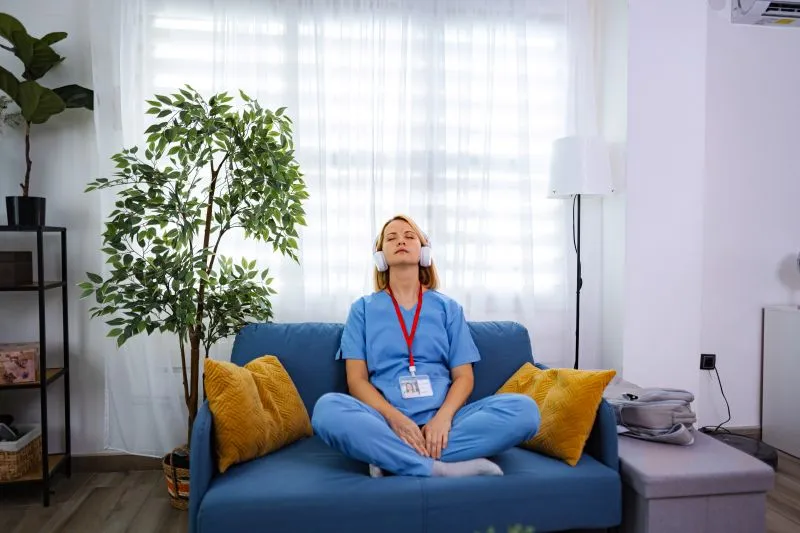
Residential mental health treatment for adults gives you what you need to actually heal. Having structure and routine helps when your brain feels chaotic. When you don’t have to worry about work deadlines, paying bills, or keeping up appearances, you can put all your energy into getting better.
What makes it work:
- You practice new skills multiple times a day with professionals right there to help you
- Support is always available when you’re having a hard time
- It’s a safe place to deal with trauma and painful feelings without falling apart
- You meet people who understand because they’re going through similar stuff
Tailoring Treatment to Meet the Needs of Adults and Young Adults
Not everyone needs the same kind of help, which is why programs designed for different age groups make sense.
Treatment for Adults vs. Young Adults
Adults in their thirties, forties, and older are usually dealing with mental health issues tangled up with other life stuff. Maybe your career went sideways, your marriage is struggling, or parenting is overwhelming. Treatment needs to help you get back on your feet while managing all the responsibilities you already have.
Mental health treatment for young adults hits different because you’re facing different challenges:
- Figuring out who you are and becoming independent
- Stress from school or starting a career
- Learning how to handle adult relationships
- Dealing with mental health problems for the first time
- Building basic life skills you might have missed
Specialized Programs for Young Adults
Programs designed specifically for mental health treatment for young adults get that this age group needs something different. They often include help with staying in school or planning what comes next career-wise. You work on social skills and building healthy friendships and relationships. Family therapy focuses on becoming more independent while staying connected to support.
Group therapy with other young adults matters because you’re dealing with similar stuff. The programs give you structure but also let you practice making your own decisions and being more independent.
Overcoming the Stigma of Mental Health Treatment
A lot of people who really need help don’t get it because they’re worried about what it means or what others will think.
Addressing Misconceptions About Residential Treatment
Many adults put off getting residential mental health treatment for adults because of myths that aren’t even true. Some people think needing this level of care means they’ve completely failed at life. Others stress about missing work or what their boss, family, or friends will say.
Wrong ideas that keep people from getting help:
- Thinking residential treatment is only for people who are really, really sick
- Worrying that the place will feel like a hospital or a lockdown facility
- Being scared of judgment from people in your life
- Believing you should be able to manage with just weekly therapy
Here’s the truth: choosing residential treatment shows you’re taking your health seriously. Modern facilities are actually pretty comfortable and homey. They’re designed to help you heal, not make you feel trapped or punished.

Promoting Mental Health Awareness
Things are changing for the better when it comes to talking about mental health. More people are opening up about their own struggles and treatment experiences, which makes it feel less scary for everyone else. Jobs are starting to actually respect mental health as a real reason to take medical leave.
As more people talk openly about this stuff, it gets easier to admit when you need more help than outpatient therapy can give. Knowing that mental health treatment for young adults and older adults is just regular healthcare helps break down the shame that stops people from getting better.
The Path Forward
Residential mental health treatment gives adults and young adults the tools, community, and structure they need to actually recover and stay healthy. When you can focus completely on healing without all the usual distractions and stressors, you make progress that would take forever otherwise or might not happen at all.
The stuff you learn during treatment sticks with you. You leave knowing how to spot warning signs before things get bad again, how to handle stress and difficult emotions in healthier ways, and when to reach out for support. You go back to your life stronger and with a much clearer idea of how to take care of your mental health.
If you’re really struggling with mental health problems that won’t get better, residential treatment might be the breakthrough you need. It takes guts to make that decision, but the chance to actually feel better and build a life you want to live makes it worth considering.
