The honest answer: burnout recovery takes anywhere from a few weeks to well over a year—sometimes longer. The timeline depends on how severe your burnout is, whether the conditions that caused it have changed, and whether you’re getting the right kind of support. Most people begin to notice a meaningful shift somewhere between three and six months of intentional, consistent effort.
That said, knowing a number isn’t the same as understanding the process. Recovery from burnout unfolds in recognizable stages, and knowing what those stages look like can make the difference between feeling like you’re failing and recognizing that you’re actually on the right track.
What Is Burnout?
Burnout is a state of chronic exhaustion – emotional, physical, and cognitive – caused by prolonged exposure to stress without adequate recovery. The World Health Organization classifies it as an occupational phenomenon, though it can stem from caregiving, academic pressure, or any sustained high-demand situation.
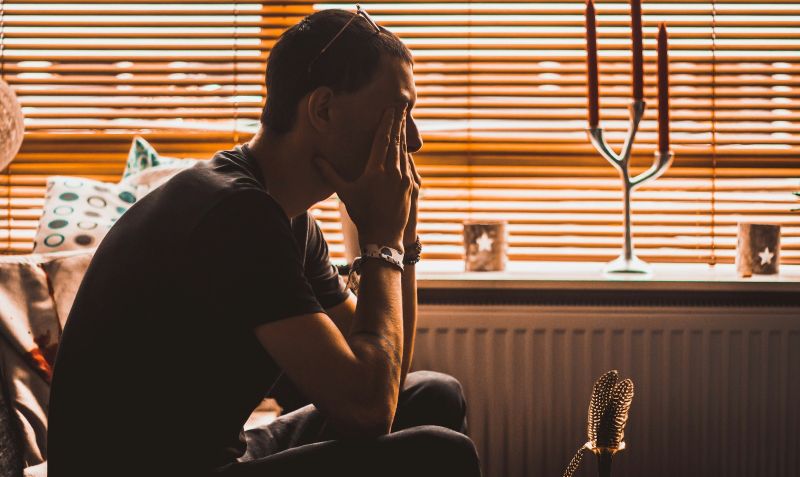
The three core symptoms are emotional exhaustion, growing cynicism or detachment, and a drop in your sense of personal effectiveness. What makes burnout different from ordinary tiredness is that it doesn’t lift after a night of good sleep or even a week off. It goes deeper than that, affecting how the brain processes information, how the body regulates stress hormones, and how a person relates to the work or responsibilities that wear them down.
Why Burnout Recovery Takes Longer Than Most People Expect
Understanding this is half the battle. The reason burnout recovery often feels frustratingly slow isn’t because something is wrong with you – it’s because burnout doesn’t just affect one part of your life. Here’s what’s actually happening under the surface:
- The nervous system has been chronically dysregulated, often for months or years, and biological recovery doesn’t have a shortcut.
- Sleep, memory, and concentration are all impaired, meaning even basic tasks can feel harder than they should during recovery.
- Social withdrawal and professional disengagement compound the problem, making it harder to access the support that speeds healing.
- The root causes – overwork, poor limits, unsustainable expectations – rarely change on their own, which is why rest without structural change often leads to relapse.
Burnout Affects Multiple Areas of Functioning
By the time full burnout sets in, the nervous system has been running in overdrive for an extended period. This alters sleep architecture, affects concentration and memory, and can suppress immune function. Socially, many people have withdrawn from relationships. Professionally, their sense of competence and motivation has eroded. Restoring all of these systems simultaneously takes real time – no shortcut skips the biological recovery process.
Why Rest Alone Doesn’t Always Solve Burnout
One of the most common misconceptions is that burnout recovery is simply a matter of taking a break. Rest is necessary, but it’s rarely sufficient. A 2025 systematic review published in PLOS ONE examining psychoeducational burnout interventions found that mindfulness-based approaches and cognitive-behavioral therapy were effective in reducing burnout in 24 out of 27 studies – but the keyword is intervention. Passive rest without structured support produced far weaker results than rest combined with therapeutic strategies.
The Misconception of a “Quick Recovery”
There’s a societal pressure to “bounce back fast.” People return to full schedules before they’re ready, interpret a few good days as full recovery, and then crash again when demands pick back up. Real burnout recovery requires addressing what caused the burnout in the first place – overwork, poor boundaries, unsustainable expectations – not just managing the symptoms. Skipping that step is the most common reason people relapse.
The 5 Burnout Recovery Stages
The recovery stages of burnout aren’t always linear. There can be setbacks, plateaus, and sudden leaps forward. Still, most people move through a recognizable progression that looks something like this:
Stage 1 – Acknowledging and Accepting Burnout
Recovery can’t begin until there’s recognition. For many people, this is harder than it sounds. Burnout builds slowly, and the instinct to push through or downplay exhaustion is strong – especially in high-achieving or caregiving personalities. Acceptance means acknowledging that something has gone wrong, that the current pace is unsustainable, and that change is needed. This stage can take days or weeks and often comes with grief, frustration, or relief – sometimes all three at once.
Stage 2 – Physical and Emotional Stabilization
Once burnout is acknowledged, the immediate priority is stabilizing the body and nervous system. This means:
- Protecting and extending sleep (aiming for seven to nine hours consistently)
- Reducing or temporarily removing the most significant stressors where possible
- Cutting back on stimulants, alcohol, and other substances that disrupt stress regulation
- Reintroducing gentle physical movement – walks, stretching, anything that isn’t punishing
Progress here is often invisible to the person going through it. The goal isn’t to feel better yet; it’s to stop the depletion from continuing.
Stage 3 – Restoring Mental Energy and Cognitive Function
One of the less-talked-about aspects of job burnout recovery is how it affects thinking. Concentration difficulties, forgetfulness, and a foggy sense of mental slowness are common burnout symptoms that can persist well into recovery. During this stage, people gradually regain their ability to focus, plan, and engage with ideas without it feeling depleting.
This is also when emotional processing tends to begin in earnest. Feelings that were suppressed during the burnout period – resentment, sadness, anxiety – often surface here. That’s not a sign of deterioration; it’s a sign the nervous system has enough capacity again to start clearing the backlog.
Stage 4 – Rebuilding Confidence and Daily Functioning
Recovery from burnout doesn’t just mean feeling less terrible. It also means rebuilding trust in yourself – trust that you can handle things, set limits, and make decisions without falling apart. During this stage, people re-engage with work, social life, or responsibilities, but on new terms. They test what they’ve learned about their capacity, often discovering that they need to make structural changes – different hours, different responsibilities, or different roles entirely.
Stage 5 – Long-Term Resilience and Burnout Prevention
The final stage isn’t about returning to who you were before burnout – it’s about building something more sustainable. This looks different for everyone, but it typically includes:
- Stronger boundaries around work time and availability
- A clearer understanding of personal warning signs and early symptoms
- Established recovery habits (sleep, movement, social connection, creative or meaningful activity)
- Reduced reliance on performance or productivity as a core measure of self-worth
Burnout recovery at this stage becomes a foundation rather than a finish line.
How Long Does Recovery From Burnout Really Take?
For people catching it early – before it reaches full physical and emotional depletion—recovery from burnout can take anywhere from a few weeks to three months. This assumes the main stressors have been reduced and the person is actively resting, not just working slightly less. These timelines are more achievable when there’s social support, access to mental health resources, and flexibility in the work or home environment.
Moderate to Severe Burnout
More significant burnout – where physical symptoms are present, social withdrawal has occurred, and work performance has dropped noticeably – typically requires three to twelve months of structured recovery. This is where therapy, coaching, or medical support often becomes necessary, not just optional.
Burnout Severity | Typical Recovery Range | Key Factors |
Mild | 3–6 weeks | Early action, low ongoing stress |
Moderate | 3–6 months | Structural changes + support |
Severe | 6–12+ months | Professional help often essential |
Clinical/Chronic | 1–3+ years | Multidisciplinary treatment recommended |
What Speeds Up – and Slows Down – Healing
Several factors consistently influence how long job burnout recovery takes:

Factors that support faster recovery:
- Seeking help early rather than waiting until complete collapse
- Making real changes to the stressors (not just coping with them)
- Consistent sleep, nutrition, and movement
- Professional therapeutic support
Factors that extend the timeline:
- Returning to the same high-stress environment without changes
- Minimizing symptoms and delaying help
- Treating recovery as passive rest rather than active rebuilding
- Unaddressed depression or anxiety alongside burnout
The overlap between burnout and depression deserves specific attention. Research suggests that a significant proportion of people with severe burnout also experience clinically significant depression. When that’s the case, treating burnout alone is unlikely to produce full recovery – both need to be addressed.
Signs That Recovery Is Actually Happening
Progress in burnout recovery is subtle and non-linear. Some signs that healing is underway:
- Sleep is improving in quality, not just duration
- Small pleasures or interests are starting to feel appealing again
- Concentration holds for longer periods without crashing
- Emotional reactions feel proportionate rather than extreme
- The thought of future plans doesn’t feel overwhelming
None of these is dramatic. That’s the point. Burnout recovery moves in increments, not leaps.
When to Seek Professional Support for Burnout Recovery
If symptoms have persisted for more than a few weeks without improvement, or if there are signs of depression, persistent anxiety, or difficulty functioning in daily life, professional support is the right step – not a last resort.
Therapy, particularly cognitive behavioral approaches, has strong evidence behind it for burnout and stress-related exhaustion. A mental health professional can also help distinguish between burnout and co-occurring conditions like depression or anxiety disorders, which require their own treatment.

At MindCore Mental Health, the approach to burnout focuses on the whole person – not just symptom management, but the underlying patterns that made burnout possible. Understanding those patterns is often what makes the difference between recovering once and preventing it from happening again. You can explore psychotherapy services tailored to your needs, or browse recent mental health articles and guidance to learn more about what recovery can look like in practice.
Recovery From Burnout Is Possible – But It Takes Time
Burnout is not a personal failure, and recovery is not a linear climb. The burnout recovery stages outlined above are a map, not a schedule – the terrain looks different for everyone, and progress sometimes means two steps forward and one step back.
If you’re in that difficult middle place—not at rock bottom but not well either – that’s still the right time to reach out. MindCore Mental Health works with people at every stage of burnout, from early signs to full exhaustion disorder. Getting support now doesn’t mean you’ve failed. It means you’re taking the recovery process seriously.
