There’s something about pressing play on your favorite song that instantly shifts your entire mood. Maybe it’s the opening chords of a track that gets you moving, or a softer melody that wraps around you like comfort during a tough day. This isn’t just a coincidence—there’s actual science behind why music affects us so deeply. Research continues to show that music does more than entertain; it actively influences our brain chemistry, regulates our emotions, and can reshape how we process difficult experiences.
Scientists have discovered that listening to music activates multiple regions of the brain at once, releasing neurotransmitters associated with pleasure and reward. Mental health professionals increasingly recognize music as a legitimate therapeutic tool, not just background entertainment. Whether you create playlists to match your mood or you’ve thought about working with a music therapist, understanding the relationship between sound and psychological well-being might open up new ways to feel better.
Understanding the Connection Between Music and Mental Health
The relationship between music and mental health goes deeper than most people think, touching both our biology and emotions.
The Science of Music and the Brain
When you listen to music, your brain doesn’t just passively receive sound—it lights up across multiple areas. The auditory cortex processes the sounds while the limbic system handles emotional responses.
Meanwhile, dopamine gets released when we hear music we enjoy. That’s the same feel-good chemical you get from eating your favorite food or hugging someone you love. This explains why certain songs can instantly lift your spirits or why music helps you remember things better. The prefrontal cortex also gets involved, helping you anticipate musical patterns and find meaning in what you hear.
Emotional and Cognitive Benefits
Music offers real benefits for both emotional balance and mental clarity. People often feel more centered after listening to calming music or more energized after upbeat tracks. This isn’t your imagination—music genuinely helps regulate the nervous system. For those dealing with racing thoughts or anxiety, music provides something else to focus on that can interrupt negative thinking patterns. The rhythms and melodies give your mind something concrete to follow, creating temporary relief from mental distress.

Different Ways Music Can Help with Mental Health
Music supports psychological wellness in several ways, each offering different benefits depending on what you need.
The Role of Music in Stress Relief and Relaxation
Stress shows up physically through muscle tension, elevated heart rate, and shallow breathing. Slow-tempo music with gentle instrumentation can actually counteract these responses. When you’re feeling overwhelmed, playing calming music creates an environment that encourages your body to let go of tension.
The predictable patterns and soothing sounds tell your brain it’s safe to relax. This is how can music can help with mental health in its most direct form—by creating real physiological changes that support emotional wellness.
How Music Uplifts Mood and Enhances Positivity
Energetic music with faster tempos can boost mood remarkably well. Dancing or just tapping along to upbeat music releases endorphins and creates a sense of vitality. Music genuinely alters our emotional state by influencing the same brain circuits involved in mood regulation.
Music’s Role in Emotional Expression and Processing
Sometimes you need to sit with difficult emotions rather than escape them, and music creates a safe space for this. Sad songs don’t necessarily make you sadder—they often help you acknowledge and release emotions you’ve been holding onto.
Music gives shape to feelings that might otherwise seem impossible to put into words. This is how music helps with mental health when words fail—by providing a language that speaks directly to your emotions.
How Can Listening to Music Help with Mental Health?
Simply listening to music—no special training required—offers accessible mental health support that anyone can use.
Personalized Playlists for Emotional Support
Creating playlists for specific emotional needs turns passive listening into active self-care. Try organizing music into categories:
- Calm-down playlists with slow songs for when anxiety hits
- Motivation playlists with energizing tracks for low-mood days
- Processing playlists with emotional music for working through feelings
This is how can listening to music help with mental health in practical terms—by giving you control over your emotional environment through the songs you choose.
Music as a Mindfulness Practice
Active listening transforms music into meditation. Instead of treating it as background noise, give music your full attention. Notice the individual instruments, the layers of sound, and how certain notes make you feel physically. This mindful approach is how can listening to music help with mental health while building awareness skills that carry over into other parts of life. The practice trains your brain to stay present rather than spiraling into worry or rumination.
Social Connection Through Music

Shared musical experiences fight isolation, which matters because loneliness significantly impacts mental health. Attending concerts, joining community choirs, or discussing favorite artists with friends creates bonds through shared emotional experiences. How can listening to music help with mental health in social settings? It gives people something to connect over, creating opportunities for belonging that are fundamental to psychological wellness.
How Can Music Therapy Help with Mental Health?
While listening to music offers real benefits, working with a trained music therapist provides structured, clinical-level support.
The Role of Music Therapy in Treatment
Music therapy involves credentialed professionals who use musical activities to address specific therapeutic goals. Unlike just listening to music for enjoyment, music therapy sessions are designed around individual needs with clear objectives like reducing anxiety, improving emotional regulation, or processing trauma. This is how can music therapy help with mental health at a professional level—through intentional, evidence-based interventions delivered by someone trained in both music and psychology.
Music Therapy for Specific Mental Health Issues
Different conditions respond to different approaches:
- Depression responds well to songwriting, which helps externalize feelings
- Anxiety disorders benefit from rhythmic techniques that regulate breathing and heart rate
- PTSD can be addressed through lyric analysis and musical improvisation
Music therapists adapt their methods based on diagnosis, symptoms, and what works for each person. This is how music therapy can help with mental health across various conditions—through customized approaches that meet you where you are.
Music Therapy Techniques
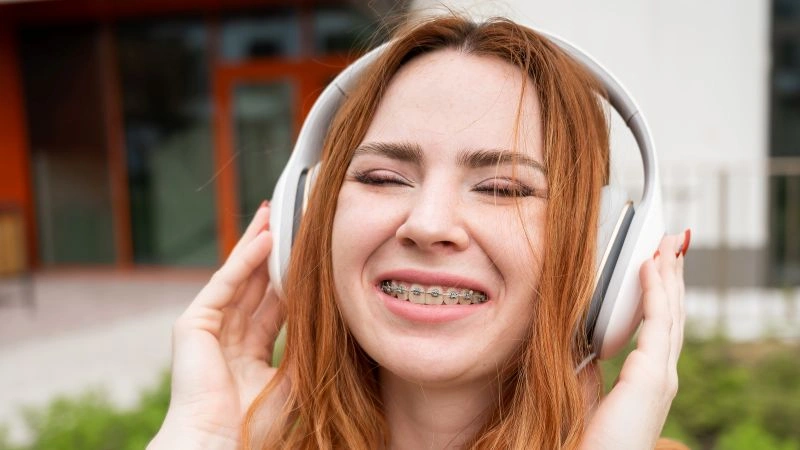
Music therapists use diverse techniques beyond listening. Improvisation lets you express yourself through creating spontaneous music, revealing emotions that are hard to verbalize. Songwriting gives structure to personal experiences, creating something tangible that represents your healing work.
Receptive techniques involve guided listening with specific therapeutic intentions. How can music therapy help with mental health through these approaches? Each technique targets different aspects of psychological functioning, from emotional regulation to cognitive processing.
Moving Forward with Music and Mental Health
Music can reduce stress by regulating your nervous system, enhance mood through brain chemistry, improve cognitive function by engaging multiple brain regions, and provide emotional expression when words fall short. Whether you’re creating playlists for daily support, practicing mindful listening, or working with a music therapist, sound offers accessible pathways to better mental health.
How can music help with mental health? Through its ability to simultaneously engage your body, mind, and emotions in ways that promote healing. The beauty is in music’s versatility—there’s no single right way to use it. You just need to pay attention to what resonates with you and let music become part of your wellness toolkit. Start small: one song, one moment of full attention, one chance to notice how sound shifts something inside you. That awareness alone can be the beginning of healing through music.
