Reading the right book at the right time can genuinely shift something in a person. Mental health self-help books give readers practical tools for managing stress, anxiety, and negative thinking – without waiting for a therapy appointment. They are accessible, affordable, and can be used at whatever pace works for each individual. Whether someone is dealing with low self-esteem, emotional dysregulation, or simply looking to build more inner calm into daily life, the right book can serve as a meaningful starting point.
That said, not every book on the shelf deserves a spot in someone’s mental health toolkit. This guide covers why these resources matter, what themes to look for, and which titles are actually worth the time – along with how to fold reading into a real self-care routine.
Why Mental Health Self-Help Books Are Worth Your Time
There is a common misconception that self-help books are a lesser substitute for “real” therapy. The truth is more nuanced. Self-help books for mental health can function as a powerful complement to professional care – or, for those who lack access to therapy, a meaningful stand-alone resource.
The Practical Case for Reading
Therapy remains out of reach for many people due to cost, waitlists, or geographic limitations. Books fill part of that gap. A well-researched self-help title costs a fraction of a single session and can be revisited as many times as needed. There is no scheduling conflict, no commute, and no pressure.
Beyond access, there is something uniquely private about reading. People often find it easier to sit with difficult ideas on the page before they are ready to voice them aloud. That quiet engagement creates space for genuine reflection.
What the Research Actually Shows
A randomized controlled trial published on PubMed (NCBI) found that bibliotherapy – structured reading of self-help books – helped reduce psychological distress in people with moderate depression. The study concluded that the approach was easy to integrate as an adjunct to standard care. Separately, a systematic review published in PubMed examining long-term effects of bibliotherapy found that, across multiple adult studies, participants showed meaningful decreases in depressive symptoms following reading-based interventions.

This doesn’t mean a book replaces a psychiatrist. But it does suggest that self-help mental health books carry genuine therapeutic weight – especially when a person engages with the material actively rather than passively.
Three Core Benefits at a Glance
- Self-paced learning – readers control the speed, re-read chapters that resonate, and skip what doesn’t apply
- Increased self-awareness – structured reflection helps people notice patterns in their own thinking and behavior
- Reduced stigma – reading privately removes the social friction that sometimes prevents people from seeking help
Key Themes to Look for in Mental Health Books
Not all self-help books for mental health are built equally. The most effective ones tend to cluster around a handful of core themes – and knowing which theme fits a specific struggle makes it easier to choose the right book.
Stress, Anxiety, and Depression
Books focused on stress management often draw from mindfulness research, teaching readers to observe their thoughts without being swept away by them. Anxiety-focused titles tend to include Cognitive Behavioral Therapy (CBT) techniques – practical exercises for catching and challenging distorted thinking before it spirals.
For depression specifically, CBT-based self-help has the strongest body of evidence behind it. Books rooted in this approach don’t just describe the problem; they give step-by-step exercises for changing how readers relate to their own thoughts.
Emotional Intelligence and Self-Worth
A less obvious but highly valuable category covers emotional intelligence (EQ). These books teach readers to name what they are feeling, understand where those feelings come from, and respond rather than react. Higher EQ correlates with better relationships, stronger communication, and more stable mental health overall.
Self-worth titles address the internal narrative – the voice that says someone isn’t good enough, capable enough, or deserving of good things. Changing that voice takes consistent practice, and a good book provides the framework.
Mindfulness and Acceptance
Mindfulness-based books help readers develop a different relationship with their inner experience. Rather than trying to eliminate uncomfortable thoughts or emotions, these titles teach observation and acceptance – a skill that reduces suffering without requiring circumstances to change.
Theme | Focus Area | Best For |
Stress Management | Mindfulness, relaxation, reframing | Chronic stress, burnout |
Anxiety & Depression | CBT techniques, thought patterns | Persistent worry, low mood |
Emotional Intelligence | Self-awareness, emotional regulation | Relationship issues, reactivity |
Self-Worth & Confidence | Inner narrative, personal agency | Low self-esteem, perfectionism |
Mindfulness & Acceptance | Present-moment awareness | Rumination, overthinking |
The Top Mental Health Self-Help Books for Inner Peace
“The Power of Now” by Eckhart Tolle remains one of the most referenced books in mindfulness circles. Its central argument – that most psychological suffering comes from living in the past or future rather than the present – is simple in theory and genuinely difficult in practice. Readers who engage with it seriously often describe a noticeable shift in how they relate to anxious thoughts.

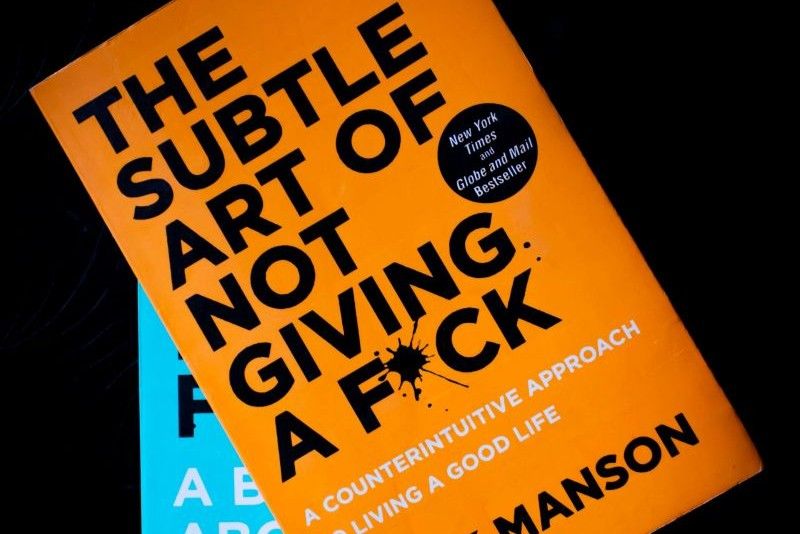
“The Subtle Art of Not Giving a F*ck” by Mark Manson takes a deliberately contrarian approach. It challenges the relentless positivity culture that tells people to want more, feel better, and optimize everything. Instead, it argues for choosing problems wisely and accepting that life includes difficulty. For people exhausted by the pressure to always feel good, this book offers real relief.
“The Four Agreements” by Don Miguel Ruiz draws on Toltec wisdom to propose four deceptively simple principles for living with more freedom and less self-imposed suffering. It’s a short read, but readers frequently return to it because the agreements – particularly “don’t take anything personally” – are harder to practice than they look.
Books Grounded in Therapy Techniques
“Feeling Good: The New Mood Therapy” by David D. Burns is arguably the most clinically supported book on this list. Multiple randomized trials have evaluated it specifically – the PubMed meta-analysis of bibliotherapy for depression includes it among the most studied self-help titles. It walks readers through CBT in a structured, accessible way, with exercises designed to interrupt negative self-talk and cognitive distortions.
“Radical Acceptance” by Tara Brach blends Western psychology with Buddhist mindfulness practice. Its focus is on the tendency to judge oneself harshly and how that judgment compounds emotional pain. The practices it offers – particularly around self-compassion – are concrete and repeatable.
Books for Confidence and Growth
“You Are a Badass” by Jen Sincero is unapologetically motivational, but it earns that tone. Rather than generic cheerleading, it pairs confidence-building with actionable prompts that push readers to identify what they actually want – and what internal stories are getting in the way.
“The Gifts of Imperfection” by Brené Brown is built on Brown’s years of qualitative research into shame and vulnerability. It argues that wholehearted living – the kind rooted in self-worth rather than achievement – requires letting go of who others think you should be. It’s both research-informed and deeply personal in its approach.
How to Make Mental Health Reading Part of a Real Routine
Owning a book and reading a book are different things. And reading a book is different from applying what’s in it. The gap between those stages is where most self-help value gets lost.
A few practical ways to close that gap:
- Set a specific time – morning pages, lunch break, or 20 minutes before bed work better than “when there’s time,” because that time rarely appears
- Keep a reading journal – writing down one takeaway per session forces active engagement rather than passive absorption
- Work through exercises as they appear – books like Feeling Good include worksheets; skipping them means skipping the active ingredient
- Reread sections that land – a single chapter read three times is more valuable than finishing the book once
- Pair reading with professional support – self-help books for mental health work best when they open conversations, not replace them
Ready to Take the Next Step?
Mental health self-help books are a valuable tool – but they work best as part of a broader approach that includes professional support when needed. If you’re based in Brooklyn, New York, and want to speak with a qualified psychiatrist about your mental health, the team at MindCore Mental Health is here to help.
You can learn more about mental health treatment options in Brooklyn or explore what to expect at your first psychiatric appointment on the MindCore website. For those ready to get started, booking a consultation takes just a few minutes.
Call (718) 307-5627 to schedule an appointment by phone, or visit mindcoremh.com to book online. Taking that first step – whether it starts with a book or a conversation – is what matters most.
