The mind has a peculiar way of holding onto what hurt us when we were young. A sharp word from a parent, the absence of protection when we needed it most, or the weight of expectations we couldn’t possibly carry—these experiences don’t simply fade when childhood ends. They follow us into adulthood, shaping how we see ourselves and how we relate to others.
Understanding how to heal from childhood trauma starts with recognizing that your past doesn’t have to dictate your future. While the process isn’t always linear or easy, countless adults have found ways to reclaim their peace and build lives that feel authentic and fulfilling.
Understanding Childhood Trauma and Its Effects
Before we can talk about healing, we need to understand what we’re healing from.
Defining Childhood Trauma
Childhood trauma encompasses experiences that overwhelm a young person’s ability to cope. This includes physical or emotional abuse, neglect, or witnessing violence. But trauma also shows up in less visible ways—growing up with a parent who struggled with addiction, experiencing consistent criticism, living through divorce, or feeling emotionally invisible in your own home.
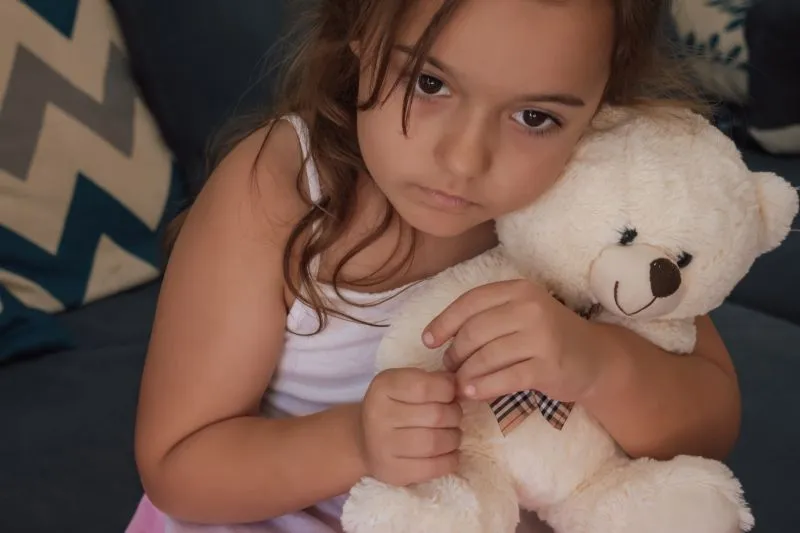
What makes these experiences traumatic is that they occurred during critical developmental years when your brain was learning fundamental lessons about safety, trust, and self-worth.
How Childhood Trauma Affects Adults
The effects of early trauma extend far beyond memory. Adults who experienced childhood trauma often deal with anxiety, depression, or a persistent sense that something is fundamentally wrong with them. You might find yourself reacting intensely to situations that don’t warrant that level of response, or feeling emotionally numb when you wish you could feel more.
Relationships can feel particularly challenging. Trust doesn’t come easily when early relationships taught you that people who should protect you might hurt you instead. Some adults become hyper-vigilant, always scanning for danger. Others disconnect entirely, building walls so high that genuine intimacy feels impossible.
The Healing Process: Steps to Overcoming Childhood Trauma
Learning how to heal from childhood trauma involves several interconnected steps.
Acknowledging the Trauma
Healing begins with honest acknowledgment. This means naming what happened to you without minimizing it or making excuses for those who caused harm. Many people struggle with this step because they’ve spent years convincing themselves that their experiences “weren’t that bad.”
Permit yourself to recognize that what happened to you mattered. Your pain is valid, regardless of whether others experienced worse.
Therapy and Counseling
Professional support makes a significant difference in trauma recovery. A qualified therapist can help you process difficult emotions in a safe environment and teach you tools for managing symptoms. Different approaches work for different people—some find relief through talk therapy, while others benefit from EMDR or somatic experiencing.
Finding the right therapist might take time, and that’s okay.
Self-Compassion and Emotional Regulation
One of the most powerful tools in healing is learning to treat yourself with kindness. Adults who experienced childhood trauma often have harsh inner critics that echo the criticism they received as children.
Essential emotional regulation skills include:
- Grounding techniques that bring you back to the present when memories feel overwhelming
- Breathing exercises that calm your nervous system during moments of anxiety
- Mindfulness practices that help you observe emotions without being swept away by them
These are ways of teaching your nervous system that you’re safe now, even when old memories suggest otherwise.
Rewriting the Narrative: Empowerment Through Healing
As you process your trauma, you’ll start to see how the stories you’ve told yourself were shaped by what happened to you. Healing involves questioning these narratives and creating new ones based on who you actually are. This is where how to heal from childhood trauma becomes about building, not just processing.
How Long Does It Take to Heal from Childhood Trauma?
This question weighs heavily on most people who begin the healing process.
The Healing Timeline
The honest answer is that how long it takes to heal from childhood trauma varies tremendously from person to person. Some people notice significant shifts within months, while others find that deep healing unfolds over years. The timeline depends on the nature of the trauma, the resources available to you, and your own unique nervous system.
Healing isn’t a destination where you suddenly arrive completely free from your past. It’s more like layers—you might work through one aspect and feel much better, only to discover another layer needs attention down the road.
Setting Realistic Expectations
Understanding how long it takes to heal from childhood trauma helps you pace yourself. Progress rarely happens in straight lines. You might have weeks where you feel significantly better, followed by periods where old patterns resurface. These setbacks don’t erase your progress—they’re part of how healing actually works.
How to Heal from Childhood Trauma as an Adult

Addressing childhood wounds when you’re no longer a child presents unique opportunities and challenges.
Healing in Adulthood: The Unique Challenges
Understanding how to heal from childhood trauma as an adult requires acknowledging what makes adult healing different. You’re trying to process experiences that shaped your developing brain while managing adult responsibilities like work, relationships, and possibly raising your own children.
Adult healing also means confronting grief for what you didn’t get as a child. At the same time, adulthood brings resources you didn’t have—the ability to choose your environment, access to professional help, and the cognitive capacity to understand your experiences in ways a child couldn’t.
The work of learning how to heal from childhood trauma as an adult often involves reparenting yourself—giving yourself the validation and nurturing you didn’t receive.
Building Healthy Relationships
Relationships take on special significance when you’re healing from childhood trauma. Learning how to heal from childhood trauma as an adult includes figuring out what you need from relationships and communicating those needs clearly.
Building healthy connections involves:
- Setting boundaries with family members who haven’t acknowledged their role in your pain
- Choosing friends who respect your healing process and don’t minimize your experiences
- Being honest with partners about what triggers you and what helps you feel safe
When people respond to your vulnerability with respect and care, it challenges the old belief that you’re not worth protecting.
Finding Inner Peace: The Goal of Healing
Peace after trauma doesn’t mean forgetting what happened or pretending it didn’t hurt.
Defining Inner Peace After Trauma
Inner peace with a trauma history looks like being able to remember your past without being consumed by it. It’s waking up without that constant background hum of anxiety. It’s knowing that what happened to you was terrible, while also knowing it doesn’t define your worth or limit your possibilities.
The Role of Forgiveness
Forgiveness in trauma recovery is complex and personal. Some people find that forgiving those who hurt them frees them from carrying anger. Others find that attempting to forgive before they’re ready just recreates old dynamics.
What matters more than forgiving others is forgiving yourself—for not being able to stop what happened, for the ways you coped, for taking so long to heal.
Integrating the Past with the Present
The final work of understanding how to heal from a childhood trauma involves integration. This means finding a way to hold your history as part of your story without letting it be the only story.
Key aspects of integration include:
- Acknowledging what you survived without letting it define your entire identity
- Recognizing your strength in choosing to heal despite the difficulty
- Creating new patterns that reflect who you want to be, not who trauma made you
You’re not just a survivor of trauma—you’re also someone with hopes, talents, and possibilities. The work of healing creates space for all of who you are.

Moving Forward
Healing from childhood trauma is genuinely hard work that requires patience, self-compassion, professional support, and time. There’s no quick fix, and anyone who promises otherwise isn’t being honest. But difficulty doesn’t mean impossibility.
The echoes of childhood trauma may never completely silence, but they can become quieter, less intrusive, less defining. Remember that asking for help isn’t a weakness—it’s wisdom. You deserved protection and care when you were young. You deserve it now, too. And with commitment to your healing, inner peace isn’t just possible—it’s within reach.
