Teletherapy is a form of mental health care delivered through digital tools — video calls, phone sessions, or text-based chat — instead of face-to-face appointments. It connects people with licensed therapists from wherever they are, whether that’s a home office, a parked car, or a quiet corner of a coffee shop. The benefits of teletherapy go well beyond basic convenience: it removes barriers to care, offers a level of privacy that in-person settings often can’t match, and makes consistent mental health support far more attainable for more people.
For a long time, getting mental health support meant clearing your afternoon, driving to an office, and sitting in a waiting room. That model worked for some people — but it quietly excluded many others. Those with demanding work schedules, limited mobility, or no therapist within a reasonable drive were simply left without options. That gap is where teletherapy stepped in, and it hasn’t looked back.
Today, what teletherapy is is one of the most searched questions in the mental health space — and for good reason. More people are discovering that effective therapy doesn’t require a commute. In this article, we’ll walk through how teletherapy works, why it’s growing, five key benefits that often go overlooked, and how it compares to traditional in-person care.
What is Teletherapy?
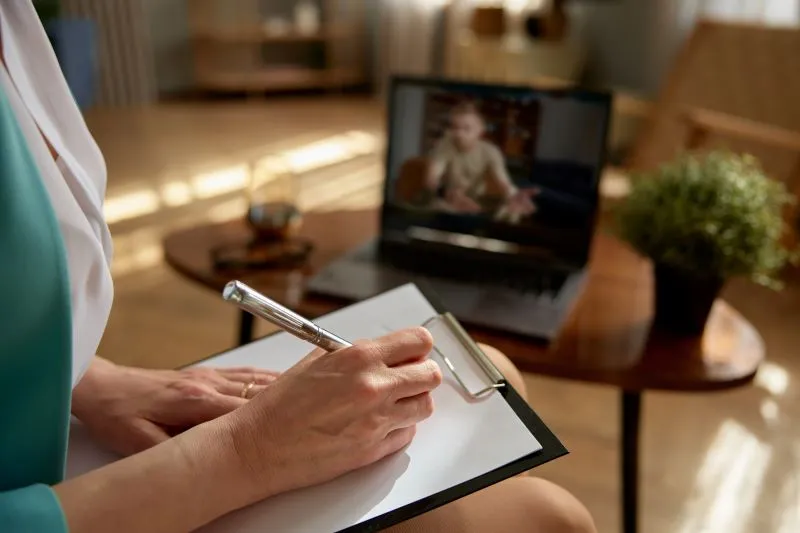
At its core, teletherapy is therapy delivered over the internet or by phone instead of in a physical office. It uses the same clinical approaches — cognitive-behavioral therapy, talk therapy, trauma-focused methods, and others — but delivers them through a screen or a voice call. Sessions are conducted in real time with a licensed mental health professional, and they follow the same professional and ethical standards as traditional sessions.
The platforms used for teletherapy vary. Some are dedicated mental health apps that match users with therapists. Others are HIPAA-compliant video conferencing tools used directly by private practitioners. Some people even have sessions entirely over the phone, which works especially well for those who find video calls uncomfortable or don’t have reliable internet access.
Teletherapy covers a wide range of concerns — anxiety, depression, relationship difficulties, grief, stress management, and more. It is not a lesser version of therapy. It’s a different delivery method that, for many people, is a better fit.
The Growing Popularity of Teletherapy
Mental health awareness has been growing for years, but the demand for accessible care has increased significantly in recent years. People are more open about seeking support, and they expect that support to fit into their lives — not the other way around.
The Shift Toward Virtual Care
Digital health services have expanded across nearly every area of medicine, and mental health care has followed suit. What started as a workaround became a preference for many patients — and for many providers too.
Therapists who offer virtual sessions report that their clients show up more consistently. There’s less cancellation, less no-show, and often a deeper sense of comfort during sessions. When someone is in their own space, they tend to open up more easily. That turns out to matter a great deal in therapy.
Accessibility and Convenience
One of the clearest drivers behind the shift to virtual care is how much easier it makes access. Rural communities that previously had no local providers, people with physical disabilities, parents of young children, and full-time workers with rigid schedules — all of these groups now have a real path to consistent mental health support. What is teletherapy, really, if not the answer to a long-standing access problem?
5 Key Benefits of Teletherapy You Didn’t Know About
Most people know that teletherapy is convenient. But the benefits of teletherapy run deeper than saving time on a commute. Here’s what often gets overlooked.
1. Greater Accessibility for Mental Health Care
Geographic location is used to determine a person’s access to mental health care more than almost anything else. If there were no licensed therapists nearby, or if the only options were months out on a waiting list, people simply went without. Teletherapy changes that. Someone living in a small town with one general practitioner and no mental health specialists can now access a trained psychologist, counselor, or therapist the same day they decide to reach out.
This shift in access is especially meaningful for:
- People in rural or underserved areas with few local providers
- Individuals with physical disabilities or chronic illnesses that make travel difficult
- Those who need specialized care — such as trauma-focused therapy or LGBTQ+ affirming counseling — may not be available locally
2. Increased Privacy and Comfort
There’s still a real stigma around mental health in many communities and workplaces. The idea of being seen walking into a therapist’s office keeps some people from ever making an appointment. With teletherapy, none of that applies. There’s no waiting room, no parking lot where someone might spot you, and no receptionist to make small talk with. Sessions happen in whatever private space feels right to the client.
Beyond the social privacy element, many clients report feeling more emotionally comfortable during virtual sessions. Being in a familiar environment — your bedroom, your kitchen, your car — can lower the guard in a way that a clinical office setting sometimes doesn’t. That comfort tends to create more honest, productive conversations.
3. Flexible Scheduling and Convenience
Traditional therapy often requires working around an office’s hours, typically resulting in weekday daytime appointments. That’s a problem for people with 9-to-5 jobs, shift workers, students, and parents. Teletherapy platforms tend to offer far more flexibility — evenings, weekends, and even short-notice bookings that simply aren’t possible at most brick-and-mortar practices.
The convenience factor extends beyond scheduling:
- No travel time or transportation costs
- Sessions can fit into a lunch break or a gap between responsibilities
- Rescheduling is usually easier and faster through digital platforms
4. Continuity of Care in Unpredictable Circumstances
One of the less-discussed benefits of teletherapy is how well it maintains care when life gets in the way. Illness, weather, travel, relocation, or a sudden schedule change can interrupt in-person therapy for weeks at a time. Those gaps can set back progress, especially for people managing conditions that require consistent support.
With virtual sessions, continuity is much easier to maintain. A client who moves across the country can keep seeing the same therapist they’ve built a relationship with — as long as both parties are in states or countries where it’s legally permitted. Someone who travels frequently for work can log in from a hotel room and keep their schedule uninterrupted. That consistency in therapeutic relationships can make a meaningful difference in long-term outcomes.
5. Diverse Therapy Options and Therapists
When you’re limited to therapists within a short drive, your options narrow fast; virtual care opens up the full pool of licensed providers across a much larger geography. That means more choice in finding a therapist whose background, cultural understanding, language, or specialization fits what you actually need.
This variety matters in practical ways:
- Access to therapists who specialize in specific conditions, identities, or life experiences
- The ability to find a provider who shares a cultural background or speaks your first language
- More realistic chances of finding someone whose personality and approach feel like a genuine fit
The Technology Behind Teletherapy

The tools that power virtual mental health care have improved considerably. Security and privacy are no longer afterthoughts — they’re built into the core of most reputable platforms.
Choosing the Right Platform for Teletherapy
Not all platforms are built equally. When choosing a teletherapy service, the most important factors to check are whether the platform is HIPAA-compliant, whether therapists are licensed in your state or country, and what types of therapy formats it offers (video, phone, or messaging).
Some platforms focus on ongoing therapy relationships, while others are better suited for on-demand support or short-term counseling. Reading the fine print on how session data is stored and who has access to it is also worth doing before signing up.
How Technology Improves the Therapeutic Experience
Good technology makes the session itself feel seamless rather than clinical. Encrypted video calls with stable connections, secure messaging between sessions, digital intake forms, and automated appointment reminders all reduce friction. Some platforms offer supplementary tools — mood tracking, journaling prompts, or resource libraries — that can extend the value of sessions between appointments. When technology works the way it should, it fades into the background, letting the therapeutic work take center stage.
Teletherapy vs. In-Person Therapy
The comparison between virtual and traditional therapy comes up often — and it deserves a thoughtful answer rather than a blanket verdict.
Is Teletherapy as Effective as In-Person Therapy?
For many conditions and many people, yes — it is. Clinical reviews comparing outcomes across both formats have generally found similar levels of effectiveness for issues like anxiety, depression, and stress-related conditions. The therapeutic alliance — the trust and connection between client and therapist — can develop just as strongly over video as it can in a room together. What matters most is the quality of the therapist and the consistency of the work, not the delivery channel.
That said, there are situations where in-person care is genuinely more appropriate. Severe psychiatric conditions, crises, or certain therapeutic approaches that rely on in-person assessment may require traditional settings. It’s always worth discussing with a professional which format makes the most sense for a specific situation.
When Teletherapy is a Better Option
For mild to moderate mental health concerns, teletherapy is often the better fit — not just a compromise. It removes logistical obstacles that would otherwise delay or prevent care entirely. It works especially well for people who are already comfortable with digital communication, those managing stable conditions, and anyone whose schedule or location makes in-person care genuinely difficult to maintain.
There’s also a strong argument for teletherapy being better when comfort is a priority. Some people carry a measurable amount of anxiety about visiting clinical spaces. For them, having sessions at home isn’t a lesser substitute — it’s the reason they’re able to show up at all.
Summing Up the Benefits of Teletherapy

The case for teletherapy isn’t built on hype — it’s built on what the format actually delivers for real people with real schedules, real barriers, and real need for support. Greater accessibility takes care to places it simply couldn’t reach before. Improved privacy makes it possible for people who would otherwise avoid seeking help.
Flexible scheduling removes the practical obstacles that keep people from seeking care indefinitely. Continuity of care means progress doesn’t have to stall every time life gets complicated. And a wider range of therapists means a better chance of finding the right match.
Teletherapy isn’t the answer for every person or every situation. But for a large and growing number of people, it’s not just a convenient option — it’s the option that makes consistent mental health care possible in the first place. If you’ve been putting off reaching out to a therapist because the process felt too complicated, too time-consuming, or too visible, virtual care might be worth a second look. The support is the same. Getting to it just got easier.
