Rejection sensitive dysphoria (RSD) is an intense, often overwhelming emotional response to real or perceived rejection, criticism, or failure – and it goes far beyond everyday hurt feelings. For many people, especially those with ADHD, a single critical comment or a friend’s delayed text reply can trigger a flood of emotional pain that feels completely unmanageable. Understanding what RSD actually is – and why it’s not just “being too sensitive” – can be the first step toward finding real relief.
This article explores what rejection-sensitive dysphoria is, how to recognize its symptoms, how it connects to ADHD and emotional regulation, and what treatment approaches can actually help.
What Is Rejection Sensitive Dysphoria?
The term might sound clinical, but the experience is deeply personal. Rejection sensitivity dysphoria describes a pattern of extreme emotional reactivity that tends to surface whenever someone feels – or even anticipates – disapproval, failure, or social exclusion. To understand it clearly, it helps to break it down into its key defining features:
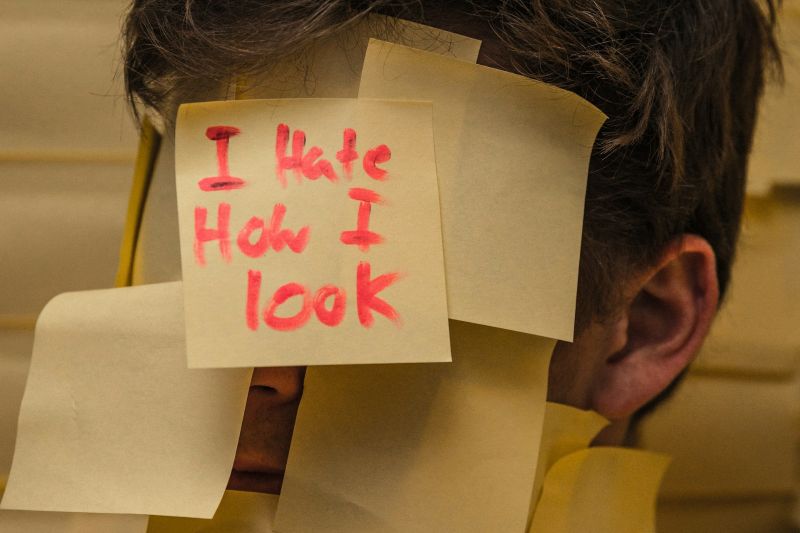
- It’s neurological, not a character flaw. RSD is closely tied to how the ADHD brain processes dopamine and norepinephrine – the same neurotransmitters that affect focus and impulse control also shape how the nervous system reads social feedback and perceived threat.
- It’s triggered by real or perceived rejection. A neutral facial expression, a short text reply, or a pause before someone answers – any of these can set off a full emotional cascade, even when no actual rejection occurred.
- The pain is disproportionate and hard to control. Most people feel a sting from criticism and move on. With RSD, the pain floods in fast, feels physically real, and doesn’t respond to logic in the moment.
- It affects behavior long-term. People with RSD often reshape their entire lives – their career choices, relationships, social habits – to avoid the situations most likely to trigger it.
- It’s not just an ADHD thing. While RSD is most commonly linked to ADHD, it also appears alongside autism spectrum disorder, anxiety disorders, and trauma histories.
Defining Rejection Sensitive Dysphoria
The word “dysphoria” comes from a Greek root meaning “hard to bear.” That’s fitting. People with RSD don’t just feel sad after a rejection – they experience a wave of pain that’s difficult to put into words. Many describe it as a sudden emotional crash, a tightness in the chest, or a sense of complete internal collapse, even when the triggering event seems minor from the outside.
Is Rejection Sensitive Dysphoria a Mental Health Diagnosis?
Here’s where things get nuanced. Rejection-sensitive dysphoria is not a formal diagnosis in the DSM-5. There is no billing code, no standardized diagnostic checklist, and no large-scale clinical trials using the term “RSD” specifically. That said, the experiences it describes are well-documented in emotional dysregulation research. Cleveland Clinic, multiple ADHD researchers, and major mental health institutions widely recognize it as a real and impactful condition worth addressing in clinical practice.
At Mindcore Mental Health, clinicians approach RSD not as a label, but as a meaningful description of lived experience – one that points toward the need for targeted emotional support and, often, an ADHD evaluation.
Why Awareness of RSD Has Increased in Recent Years
A few years ago, RSD barely appeared in clinical conversation. Today, it’s discussed across mental health platforms, ADHD communities, and peer-reviewed journals. A significant shift came with growing recognition that emotional dysregulation is a core feature of ADHD – not just a side effect. Recent publications, including a 2025 qualitative study by Sandland in Sage Journals and a 2026 paper by Rowney-Smith et al. published in PLOS ONE, have helped establish RSD as a phenomenon shaped by both biological wiring and environmental experience – which means it’s something that can genuinely be worked with.
Why Rejection Sensitive Dysphoria Is More Than Just Being Sensitive
Almost everyone dislikes criticism. Most people feel a sting when they’re left out or overlooked. So what makes rejection-sensitive dysphoria different from ordinary hurt feelings?
The Difference Between Normal Sensitivity and RSD
Normal sensitivity is proportional and temporary. Someone criticizes your work; you feel defensive for a bit, then move on. With RSD, the reaction is immediate, intense, and often disproportionate to what actually happened. The pain doesn’t just sting – it floods. And it can be triggered not only by real rejection but by a perceived slight: a neutral facial expression read as disapproval, a short reply interpreted as anger, or silence experienced as abandonment.
That distinction – real or perceived – is central to understanding RSD. The brain isn’t misinterpreting reality out of weakness. It’s wired, often due to ADHD-related neurological differences, to register social threat signals more intensely than average.
How Perceived Rejection Can Trigger Powerful Emotional Responses
A 2024 qualitative study published on PubMed explored the lived experience of rejection sensitivity in ADHD individuals. Through focus-group interviews, researchers identified three key themes: withdrawal, masking, and bodily sensations. Participants described unpleasant physical responses – not just emotional ones – and explained how they masked those reactions to avoid further judgment, which often led to social withdrawal and loneliness over time.
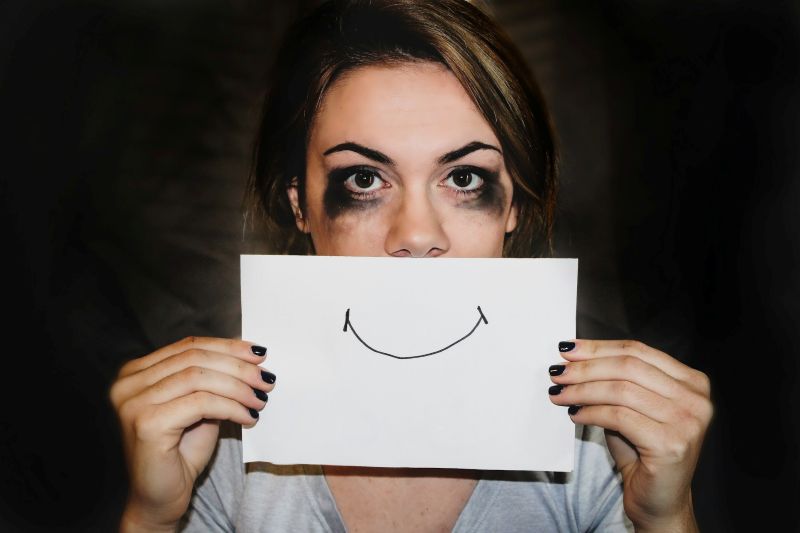
That cycle – feel rejected, mask the pain, withdraw, feel more isolated – is one of the most quietly damaging patterns in RSD. It doesn’t announce itself. It just slowly erodes connection and confidence.
Also in 2024, Dodson and colleagues published a case series in Acta Scientific Neurology describing RSD in ADHD adults as “episodic attacks of physical and emotional pain, intense shame, and feeling ostracized” triggered by real or perceived rejection – noting that all participants had a history of being misunderstood and misdiagnosed by mental health professionals. That finding alone underscores why accurate recognition matters.
Why People With RSD Are Often Misunderstood
People with RSD are frequently labeled as “too emotional,” “overreacting,” or “needy.” Those labels do real damage. What looks like an outsized response to a small comment is, for the person experiencing it, a genuine neurological event. The pain is real – not manufactured for effect. When that’s dismissed or minimized, it can deepen shame and reinforce the fear of opening up at all.
This is one reason why psychotherapy for emotional dysregulation can be so valuable – not just for coping strategies, but for helping people understand their own experiences without self-blame.
Common Rejection Sensitive Dysphoria Symptoms
Rejection-sensitive dysphoria symptoms show up across emotional, behavioral, cognitive, and even physical domains. Recognizing them is an important step toward getting appropriate support.
Emotional Symptoms
The emotional layer of RSD tends to be the most visible – and the most disruptive. Common experiences include:
- Extreme sadness that arrives suddenly, often out of proportion to what triggered it
- Shame and embarrassment, sometimes so intense that it becomes paralyzing
- Sudden anger following criticism or perceived rejection, which can damage relationships
- Deep emotional pain that feels physical – heaviness, chest tightness, or a sensation of being struck
These aren’t exaggerations. People with RSD often describe the distress as “unbearable” in the moment, even when, reflecting on it later, they can see it was triggered by something small.
Behavioral Symptoms
Over time, the fear of triggering another RSD episode shapes behavior in significant ways:
- Avoiding feedback, performance reviews, or any situation where evaluation is possible
- Seeking constant reassurance from partners, friends, or colleagues
- Perfectionism driven by fear of failure rather than genuine standards
- People-pleasing – consistently putting others’ needs first to minimize the risk of disapproval
- Avoiding new challenges or creative work to sidestep potential criticism
Cognitive Symptoms
What’s happening in the mind often reinforces the emotional pain:
- Overthinking past conversations, looking for signs of hidden disapproval
- Rumination – replaying interactions long after they’ve ended
- Harsh self-criticism following any perceived mistake
- Anticipating rejection before it happens, which can become a self-fulfilling pattern
Physical Manifestations of Emotional Distress
RSD isn’t purely psychological. Many people report physical signs during intense episodes: rapid heartbeat, nausea, difficulty breathing, muscle tension, or a sudden wave of exhaustion following emotional intensity. These physical responses reflect how deeply the nervous system is involved – and why RSD can feel so draining even when nothing “dramatic” has happened externally.
How Rejection Sensitive Dysphoria Can Impact Work and Daily Life
The professional and relational costs of unmanaged RSD are significant. At work, the combination of avoiding feedback, overthinking performance, and fear of failure can stall career growth – not because of lack of ability, but because the emotional stakes feel too high. Taking on a new project, speaking up in a meeting, or asking for a raise can all feel like invitations to be judged and found lacking.

In relationships, RSD can create patterns of clinginess, jealousy, or emotional withdrawal that are difficult for partners and friends to understand. The person with RSD isn’t trying to be difficult – they’re managing a nervous system that treats ordinary social ambiguity as a potential emergency.
Area of Life | Common RSD Impact |
Work | Perfectionism, avoiding feedback, difficulty with criticism |
Relationships | Reassurance-seeking, jealousy, emotional withdrawal |
Social life | People-pleasing, fear of exclusion, masking true feelings |
Self-image | Chronic shame, negative self-talk, fear of failure |
Physical health | Fatigue, headaches, and sleep disruption from emotional intensity |
Rejection Sensitive Dysphoria Treatment Options
The good news: rejection-sensitive dysphoria treatment is possible. While there’s no single cure, a combination of therapy, self-awareness strategies, and in some cases medication can significantly reduce the frequency and intensity of RSD episodes.
Therapy Approaches That May Help
Cognitive Behavioral Therapy (CBT) is one of the most studied approaches for emotional dysregulation. CBT works by helping people identify the thought patterns that amplify emotional reactions – like assuming a short reply means someone is angry, or interpreting silence as rejection. Over time, CBT builds more flexible, reality-based interpretations and stronger distress tolerance.
Acceptance and Commitment Therapy (ACT) takes a different angle. Rather than challenging thoughts directly, ACT encourages people to observe their emotional responses without being controlled by them. For RSD specifically, ACT can help reduce the secondary shame spiral – the self-judgment that follows an intense emotional episode.
Both approaches are available at Mindcore Mental Health, where clinicians tailor treatment to the individual’s specific emotional patterns and any co-occurring conditions like ADHD. For those who haven’t yet been evaluated, ADHD testing is a useful first step in understanding what’s driving the emotional dysregulation.
Self-Management Strategies
Beyond formal therapy, daily habits matter. Some evidence-supported strategies for managing rejection-sensitive dysphoria symptoms include:
- Pausing before responding – giving yourself a moment before reacting to perceived rejection can interrupt the automatic emotional surge
- Naming the feeling – research suggests that labeling emotions (“I’m feeling shame right now”) can reduce their intensity
- Checking interpretations – asking “Is there another explanation for what just happened?” builds the habit of questioning initial threat reads
- Building a safe communication style – being direct with trusted people about your sensitivity can reduce misunderstandings and create space for honest interaction
These strategies don’t eliminate RSD, but they do build resilience over time – and that’s what sustainable improvement looks like.
Moving Forward With Rejection Sensitive Dysphoria
Living with rejection-sensitive dysphoria can feel isolating, especially when the people around you don’t understand why certain moments hit so hard. But understanding RSD – what it is, how it works, and why it shows up – changes the relationship with it. It becomes something that can be worked with, not just endured.
If the symptoms described here sound familiar, speaking with a mental health professional who understands ADHD and emotional dysregulation is a worthwhile next step. Early support makes a real difference, not just in managing difficult moments, but in building the kind of relationships and self-trust that RSD can otherwise wear down over time.
Ready to take that step? The team at Mindcore Mental Health offers personalized assessments and therapy for adults navigating RSD, ADHD, and emotional dysregulation. Reach out today to talk about where you’re at and what support might look like for you.
