Yes, stress can trigger a nocturnal panic attack. Ongoing pressure keeps the nervous system on alert, and that state does not switch off at bedtime. During certain shifts in sleep, a body already primed for threat can misread normal changes in breathing or heart rate and set off a full panic response. The person wakes suddenly with a pounding heart, short breath, and intense fear, often with no bad dream behind it.
What Is A Nocturnal Panic Attack?
It is a sudden surge of intense fear and physical alarm that pulls someone straight out of sleep. What makes it so unsettling is what is missing:
- No nightmare. Most people cannot recall any dream before waking.
- No conscious worry. The mind may have felt calm when the lights went out.
- No outside threat. Nothing in the room caused it.
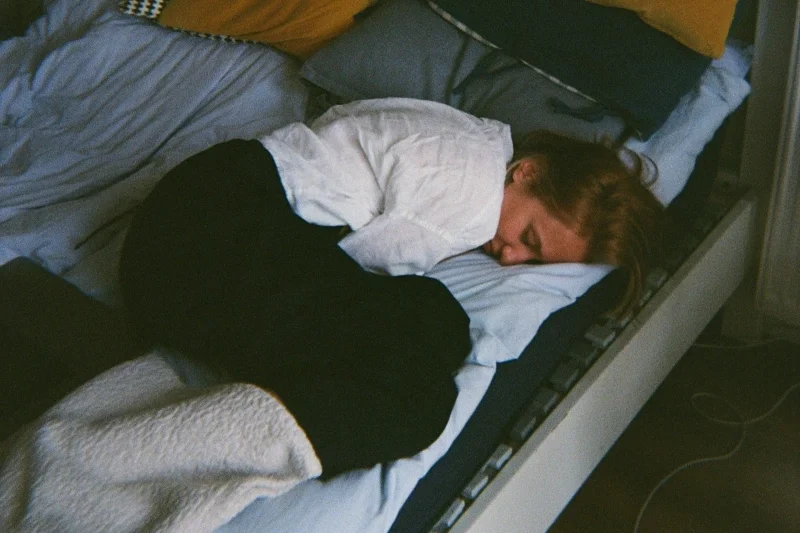
The episode starts while the mind is offline, so the person wakes up already in the middle of it.
How Is Night Panic Different From Daytime Panic?
The core symptoms are the same, but the setting changes how they play out:
- Trigger. Daytime attacks often follow something nameable, like a tense meeting. Night episodes usually have no obvious trigger.
- Starting point. At night, the person surfaces groggy and disoriented, already mid-surge.
- Breathing. Choking and shortness of breath tend to stand out more at night.
- Aftermath. Many people lie awake for hours and start dreading bedtime.
So how does a calm evening end in a 2 a.m. scare? Panic attacks at night usually trace back to the way stress quietly piles up over weeks and months.
Can Stress Really Trigger A Panic Attack While Sleeping?
It can, although stress rarely acts alone. It works more like fuel than a spark, raising the body’s baseline so that a small, ordinary change during sleep can tip things into panic.
How Chronic Stress Can Increase The Risk Of Nighttime Panic
Short bursts of stress tend to pass. Chronic stress is a different animal: stress hormones stay elevated, and sleep and stress start feeding each other. Lost sleep raises cortisol, which keeps the brain more aroused and makes the next night lighter still. A December 2025 review in PLOS Mental Health describes exactly this loop and notes that more than half of people with panic disorder report at least one night episode.
Over time, ongoing stress tends to produce three changes:
- Higher baseline arousal. The body idles closer to fight-or-flight.
- Sharper attention to body signals. Heartbeats and breathing get read as warnings.
- Lighter, more broken sleep. More stage transitions, which is where trouble often starts.
Together, these shifts explain why a panic attack while sleeping can show up during a stretch of life that felt busy but manageable. The same buildup often shows up by day as short temper, as Mindcore MH’s guide on why constant irritability happens explains.
Common Stress Sources Behind Night Panic
Night episodes rarely come from a single bad day. More often, they follow months of:
- Work pressure or job insecurity
- Money worries
- Relationship conflict or caregiving duties
- Grief, illness, or a major move
- Past trauma, which a trauma psychiatrist can help address
- Irregular sleep from shift work, late screens, caffeine, or alcohol
Why Panic Attacks Can Happen Without Conscious Worry
Panic does not need a scary thought. The brain’s threat system runs on autopilot, scanning signals such as carbon dioxide levels and heart rhythm.
During sleep, breathing slows and becomes slightly irregular. In someone whose alarm system is already sensitive, that shift can be flagged as danger, a bit like a smoke detector going off over burnt toast. By the time awareness catches up, the panic is in full swing. That is why so many people describe a panic attack while asleep as coming out of nowhere.
What Happens In Your Body During A Nocturnal Panic Attack?
Several body systems fire at once, and they tend to amplify each other.
The Sudden Activation Of The Fight-Or-Flight Response
The sympathetic nervous system floods the bloodstream with adrenaline, and within seconds:
- Heart rate and blood pressure jump
- Muscles tense and hands may shake
- Digestion stalls, sometimes bringing on nausea
- Sweating kicks in, even in a cool room
In a quiet bedroom, this feels terrifying, because there is nothing to fight and nowhere to run.
Breathing Changes And Sensations Of Suffocation
Fast, shallow breaths lower carbon dioxide in the blood, bringing on tingling hands, lightheadedness, and a tight chest. The cruel twist is that over-breathing creates the very feeling of not getting enough air. This is why a panic attack while sleeping so often begins with gasping or choking.
Why Nocturnal Panic Attacks Often Occur During Non-REM Sleep
Sleep lab research places most of these episodes in non-REM sleep, as light sleep shifts toward deeper slow-wave sleep, often early in the night. REM, the stage tied to vivid dreams, is usually not involved. That explains why a panic attack while asleep rarely comes with a nightmare attached.
Common Symptoms Of Panic Attacks At Night
Symptoms mirror daytime panic but often feel stronger, since the person wakes up mid-surge.
Physical Symptoms That Wake You From Sleep
The most frequent physical signs include:
- A pounding or racing heartbeat
- Shortness of breath, choking, or a smothering feeling
- Chest tightness or pain
- Sweating, chills, or hot flashes
- Trembling or shaking
- Nausea or an upset stomach
- Dizziness, numbness, or tingling in the hands and face
Emotional And Psychological Symptoms
The emotional side can be just as intense:
- A wave of dread or a sense of doom
- Fear of dying, having a heart attack, or losing control
- Feeling detached from the body or the room (depersonalization or derealization)
- Fear of falling asleep again, which often leads to later and later bedtimes
That last one matters most. Anticipatory anxiety can keep panic attacks at night going long after the original stress has eased.
How Long Does A Nocturnal Panic Attack Last?
A typical nocturnal panic attack peaks within about 10 minutes and fades over the following several minutes, though shakiness and a racing mind can linger. Getting back to sleep is often the hardest part.
Panic Or Something Else? Telling Night Disturbances Apart
Several conditions can wake someone in fear, and the differences matter.
Episode | What it typically looks like | Memory afterward |
Panic during sleep | Fully awake with racing heart, fear, and breathing trouble | Clear memory |
Nightmare | Wakes from a vivid, upsetting dream, usually later in the night | Remembers the dream |
Night terror | Screaming or thrashing while still mostly asleep | Little or none |
Sleep apnea | Snoring, breathing pauses, gasping awake, daytime sleepiness | Often unaware |
A medical check is worth booking before assuming panic when there is:
- Loud snoring or breathing pauses a partner notices
- Morning headaches or feeling unrested after a full night
- Chest pain, an irregular heartbeat, or fainting
What To Do If You Wake Up Having A Nocturnal Panic Attack
The goal is not to stop the panic by force but to send the body clear signals of safety so the surge passes sooner.
Recognise The Symptoms Without Assuming Immediate Danger
Naming the experience helps: “This is panic. It feels awful, but it will pass.” That said, new or unusual chest pain, breathing trouble, or fainting should never be brushed off. When in doubt, emergency care is the right call.
Use Gentle, Controlled Breathing
A slow exhale tells the nervous system to stand down. A simple pattern:
- Sit up and let the shoulders drop.
- Breathe in through the nose for about four counts.
- Breathe out through pursed lips for about six counts.
- Repeat for three to five minutes.
Big gulping breaths can backfire, so softer beats deeper.
Try Grounding Techniques To Reorient Yourself
Grounding pulls attention back to the present moment and the real room:
- Switch on a soft lamp and press both feet flat on the floor
- Name five things in sight, four within reach, three sounds, two smells, and one taste
- Get up for a glass of water and return to bed only once calmer
Practicing these skills by day makes them easier to reach at night, and Mindcore MH’s article on improving emotional regulation is a good starting point.
Getting Back To Sleep Afterward
Once the surge passes, a few habits help:
- If sleep does not return within about 20 minutes, try a quiet, low-light activity in another room
- Skip phones and clock-watching
- Keep the usual wake-up time the next morning
Protecting sleep pays off beyond feeling rested. In people with panic disorder who followed routine psychiatric care, better sleep went hand in hand with better decision-making, even after accounting for panic and depression symptoms (Scientific Reports, February 2026).
How Mindcore Mental Health Can Help With Nocturnal Panic Attacks
Repeated night panic is treatable, and the most effective care looks at sleep, stress, and anxiety together.
Understanding Your Nighttime Panic Symptoms
Care at Mindcore MH starts with a psychiatric evaluation for people dealing with recurring anxiety or panic. The assessment looks at:
- Panic symptoms and how often episodes happen
- Recent and ongoing stress exposure
- Mental health history, including possible co-occurring anxiety disorders or depression
- Sleep difficulties and daily routines
A clinician can also flag signs of a medical or sleep problem, such as sleep apnea, and recommend a physician or sleep specialist.
Psychotherapy And CBT For Panic-Related Anxiety
Through psychotherapy, patients learn why their body reacts the way it does. Cognitive behavioral therapy (CBT), a first-line approach for panic, targets the fear of bodily sensations and the dread of falling asleep. Personal goals might include:
- Cutting back on sleep avoidance and late bedtimes
- Easing the habit of bracing for an attack at night
- Returning to work and social plans without fearing a bad night
Psychiatric Care And Ongoing Treatment Support
When it makes sense, psychiatric care includes a medication evaluation and ongoing management. Follow-up visits track episode frequency, sleep disruption, and response to treatment. For more on timing, see Mindcore MH’s guide on when to seek help from a mental health doctor.
Virtual Care In New York And Florida
Mindcore MH offers virtual visits for eligible patients in New York and Florida. Most major insurance plans are accepted, and patients can meet the care team or book an appointment online.
Managing Stress And Nocturnal Panic Attacks
Chronic stress can shape what happens after dark, even for someone who feels relaxed at bedtime. A single nocturnal panic attack is not a diagnosis, but repeated ones deserve a closer look. Knowing the signs makes panic attacks at night less frightening, and ruling out sleep apnea or other medical causes matters just as much. Mindcore Mental Health can help with an evaluation and a plan that treats sleep and anxiety together.
